Category Archives: creative exercises

The Trickster’s Hat Part 10

blueirisespc

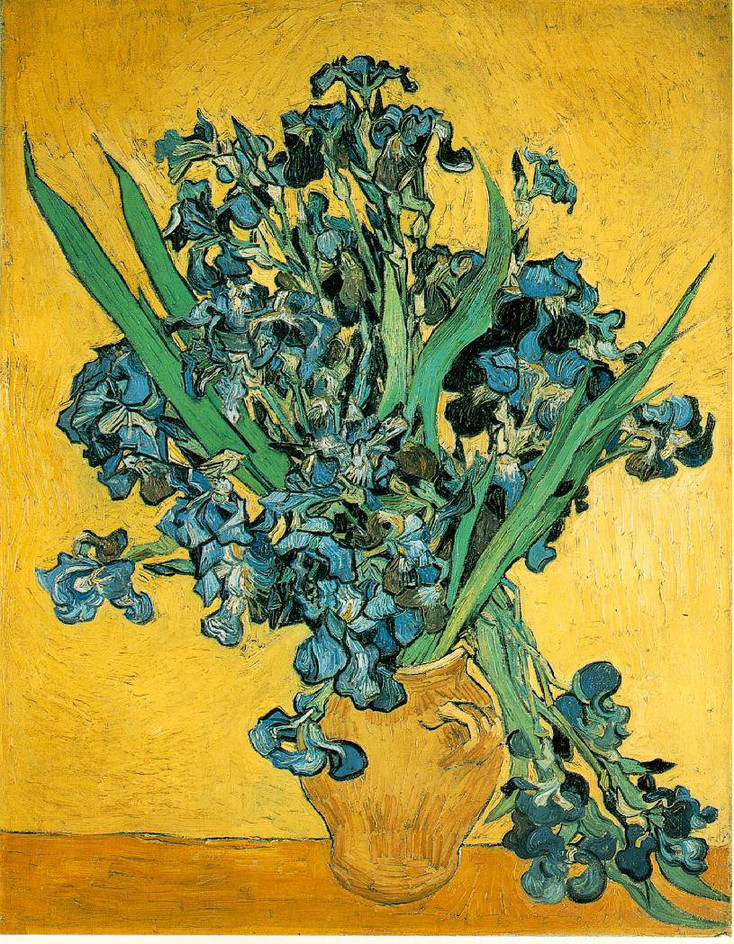
Van Gogh’s iconic painting of Blue Irises in a Yellow Vase

It’s a really striking image, and much-copied. I love the thickness of the brush strokes, the boldness of the color.
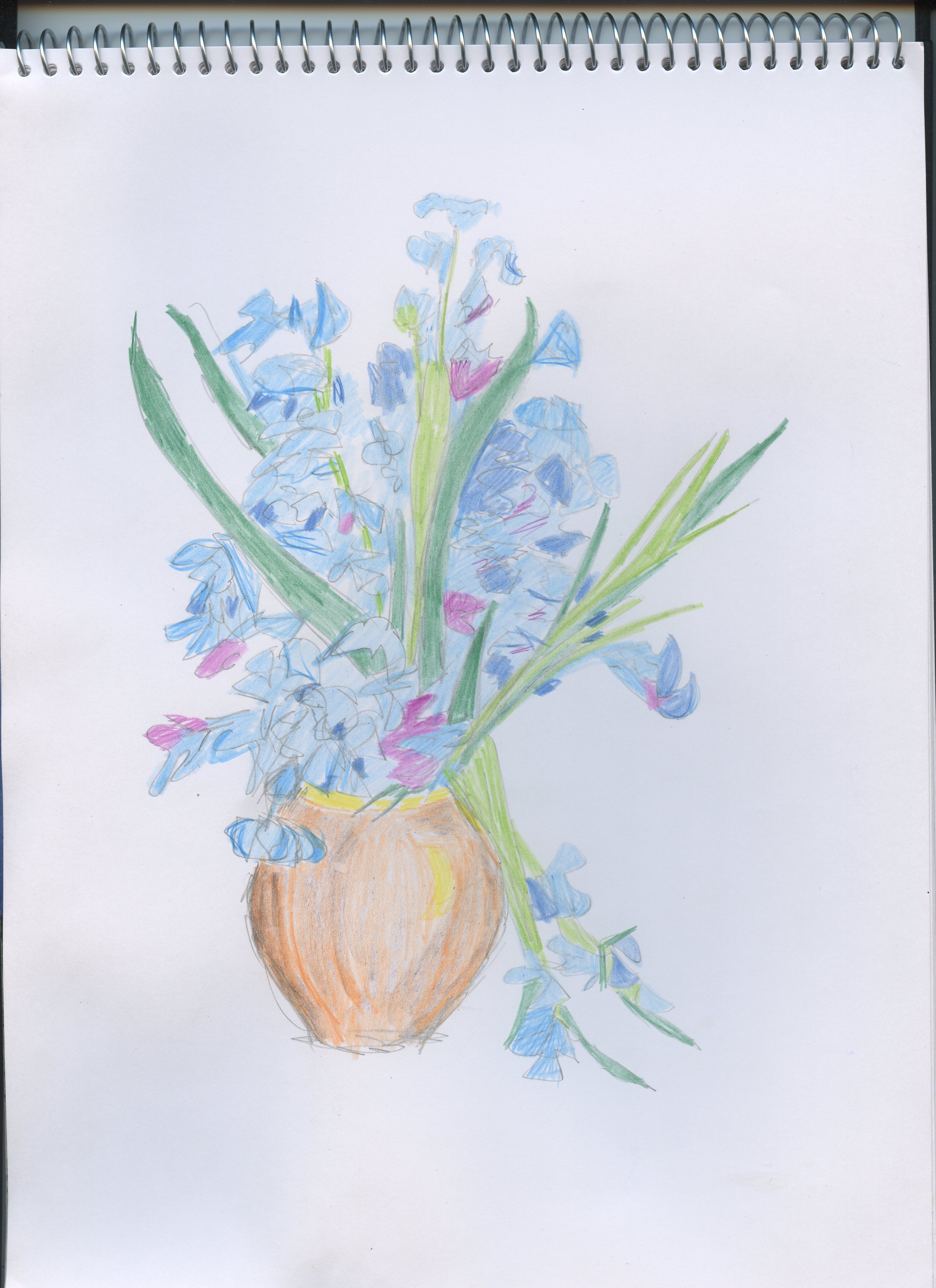
My Blue Irises in a Yellow Vase.

My Blue Irises in a Yellow Vase.

Exercise 31 involved learning from others: pick a famous work, study it, learn from it, duplicate it, and then expand the project in some logical way. The example in the book suggested visiting a ballet school if, for example, your famous work was one of Degas’s.

Drawn fast, larger than actual size.

Drawn fast, larger than actual size.

For my extension, I visited the nearby Tucson Botanical Gardens and sketched flowers.
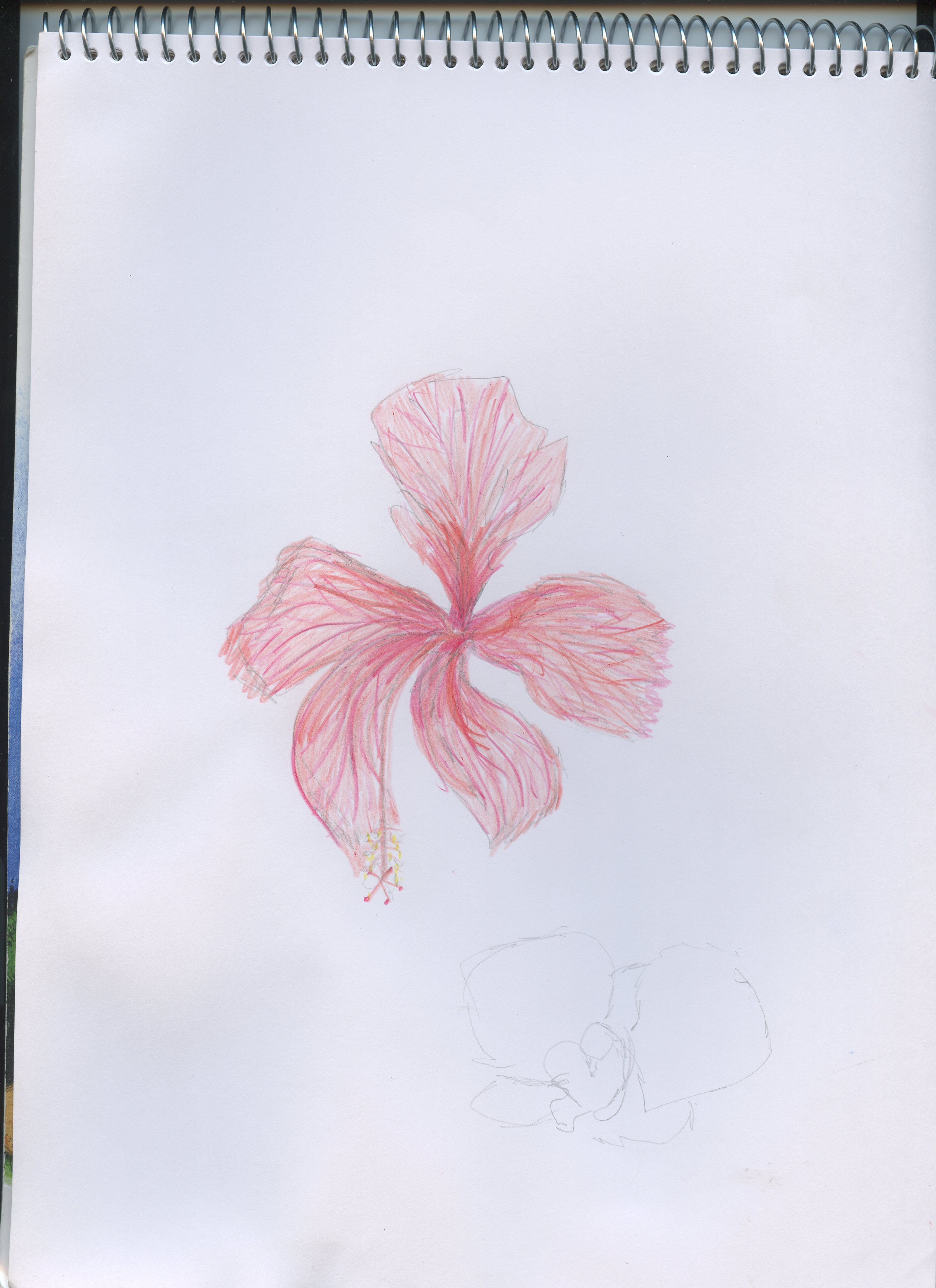
This is a hibiscus that lives in the greenhouse.

This is a hibiscus that lives in the greenhouse.

I like the rougher look to Van Gogh’s work, how it seems sloppy, but it’s not. The colors weren’t really available to me with the materials at hand, but some of them made a nice showing there, anyway.
img061

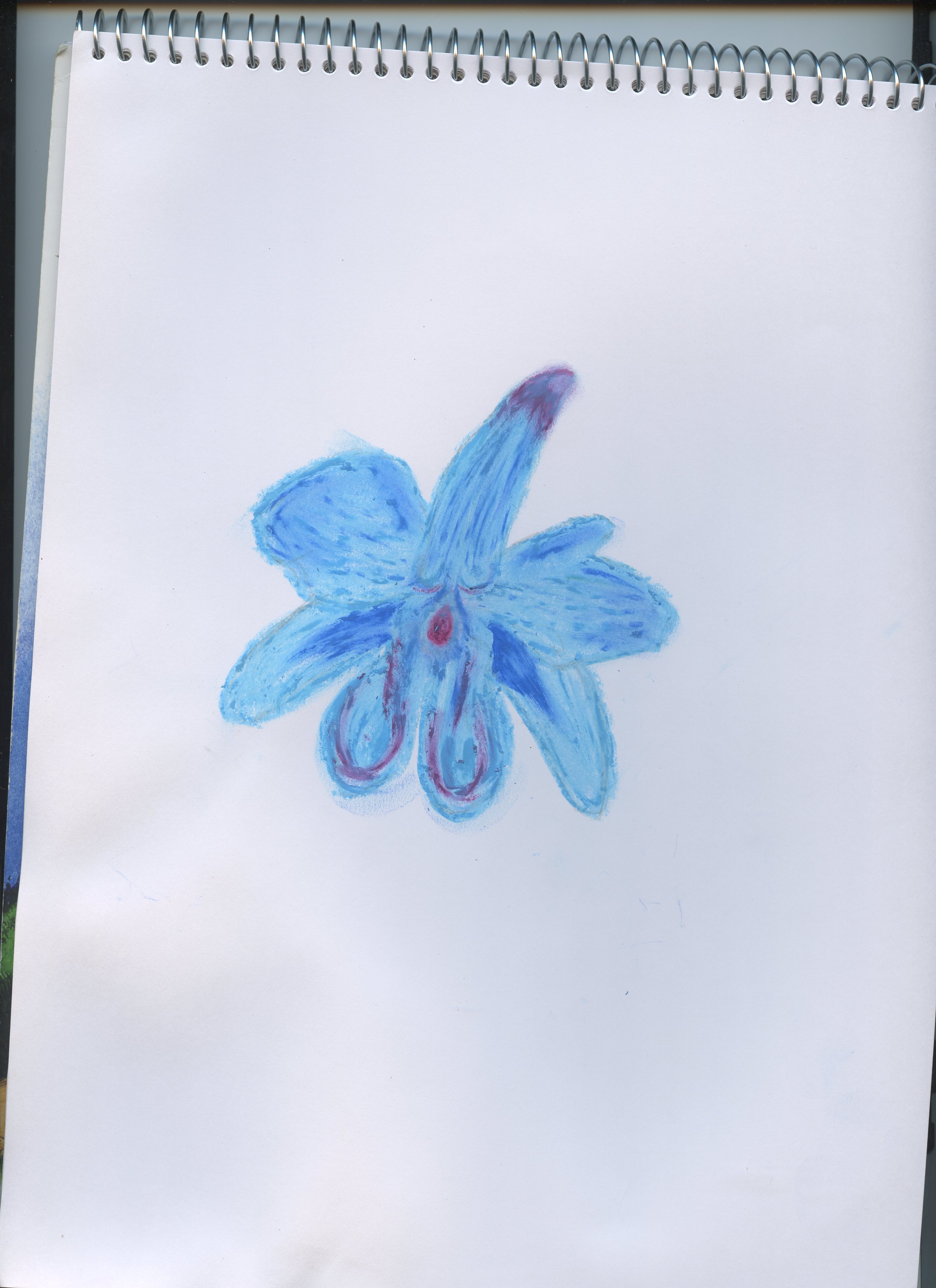
Orchids are hard; I’ve been trying to draw a passable orchid for years. I sketched this one slowly and then took it home to use the pastels. Somehow it looks meaty, rather than delicate, and I’m afraid there’s something the slightest bit obscene about it. Orchids are complicated.

Sketching in the gardens was so enjoyable. It’s definitely the sort of thing I want to incorporate into my artist’s life to a much greater degree.


The final flower

The final flower


The Trickster’s Hat Part 9

How and Why by Robert Graves

How and Why by Robert Graves

Exercise 29: illustrate a quote. But not just any quote. It was supposed to be something with a bit of humor to it as well as depth. I struggled with this assignment for days, perusing Bartlett’s, surfing web pages full of inspirational quotes. I didn’t want to put any effort into illustrating a quote that wouldn’t be deeply meaningful to me, and most of my favorite quotes are fairly serious, primarily about writing and creativity.

Just as I was about to lose hope, I noticed a little scrap of paper tacked to the wall behind me, where I had written out this Robert Graves poem, “How and Why” from (I think) the book Ann at HIghwood Hall: Poems for Children, published in 1964. (It’s entirely possible it’s from a different book of poetry for children by the same author, but I think this is the one). I had long been fascinated with the light-hearted, but also sort of provocative rhyme, and he long intended to illustrate it with almost exactly the precise designs I used here.

It took several days to create the lettering (I made these up rather than using a known typeface), sketch everything out, and ink it in. I’d still like to do some further digital work to touch it up, but this is probably my favorite finished product; It’s framed and hanging on the wall, just as I’d imagined it for about a decade.

The Trickster’s Hat Part 8

Exercise 21 required 4 squares, lightly taped together. The collage was built on top of the squares, which were then cut apart and rearranged several times. I saved my favorite images for the top layer. Cutting the work up was a bit difficult, emotionally.

As mentioned before, this book calls for many collages. After a while they all sort of blur together and I didn’t enjoy many of the later ones. I wanted more drawing, more painting, less cutting out, less pasting.

Exercise 28 Part 1: a collage representing obligation

Exercise 28 Part 1: a collage representing obligation

Exercise 28 Part 2: a collage representing liberation

Exercise 28 Part 2: a collage representing liberation

The prompts were different, but I’m not sure the results were substantively so.

Exercise 30: a collage pairing words and images to tell a story, without the words and images necessarily relating to one another.

Exercise 30: a collage pairing words and images to tell a story, without the words and images necessarily relating to one another.

It became routine for me, to sit up at night chopping images from magazine and gluing them down.

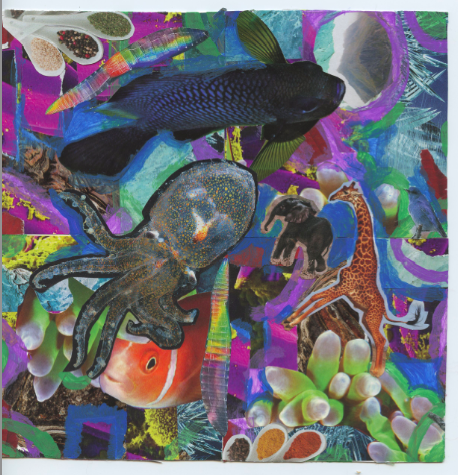
Exercise 39: a collage comprised exclusively of blue parts, with a little green and purple added at the end. I have no idea which end was supposed to be up.

Some of them were uplifting, but toward the end I was just phoning them in and not getting much out of the experience.

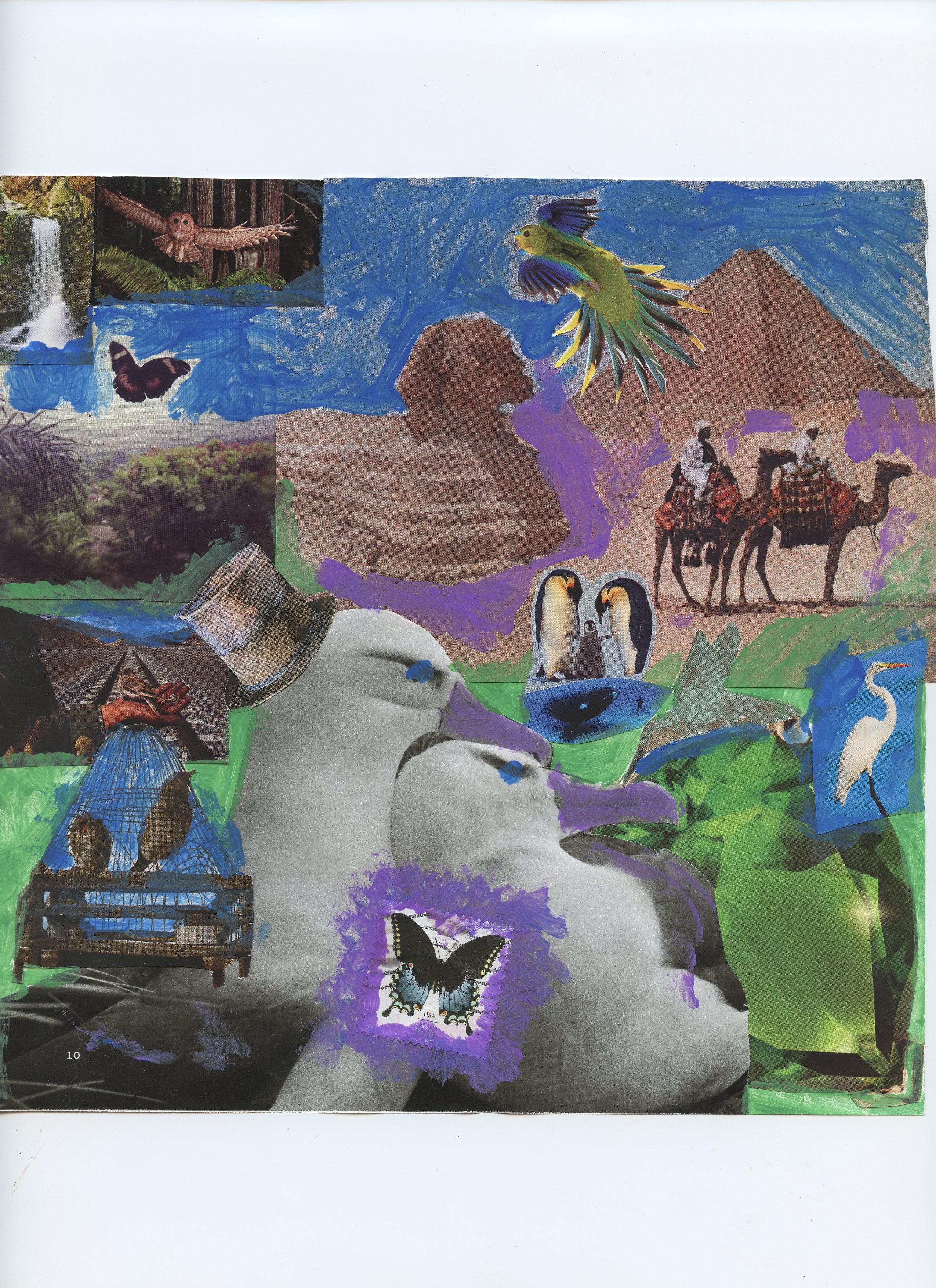
Exercise 43: make a collage while listening to evocative music and smelling evocative scents. Not really any different than my regular process. But then again, there are visual thematic elements that seem inspired by something ephemeral and uplifting, so who knows?

Exercise 43: make a collage while listening to evocative music and smelling evocative scents. Not really any different than my regular process. But then again, there are visual thematic elements that seem inspired by something ephemeral and uplifting, so who knows?

The Trickster’s Hat Part 7

IMG_1759

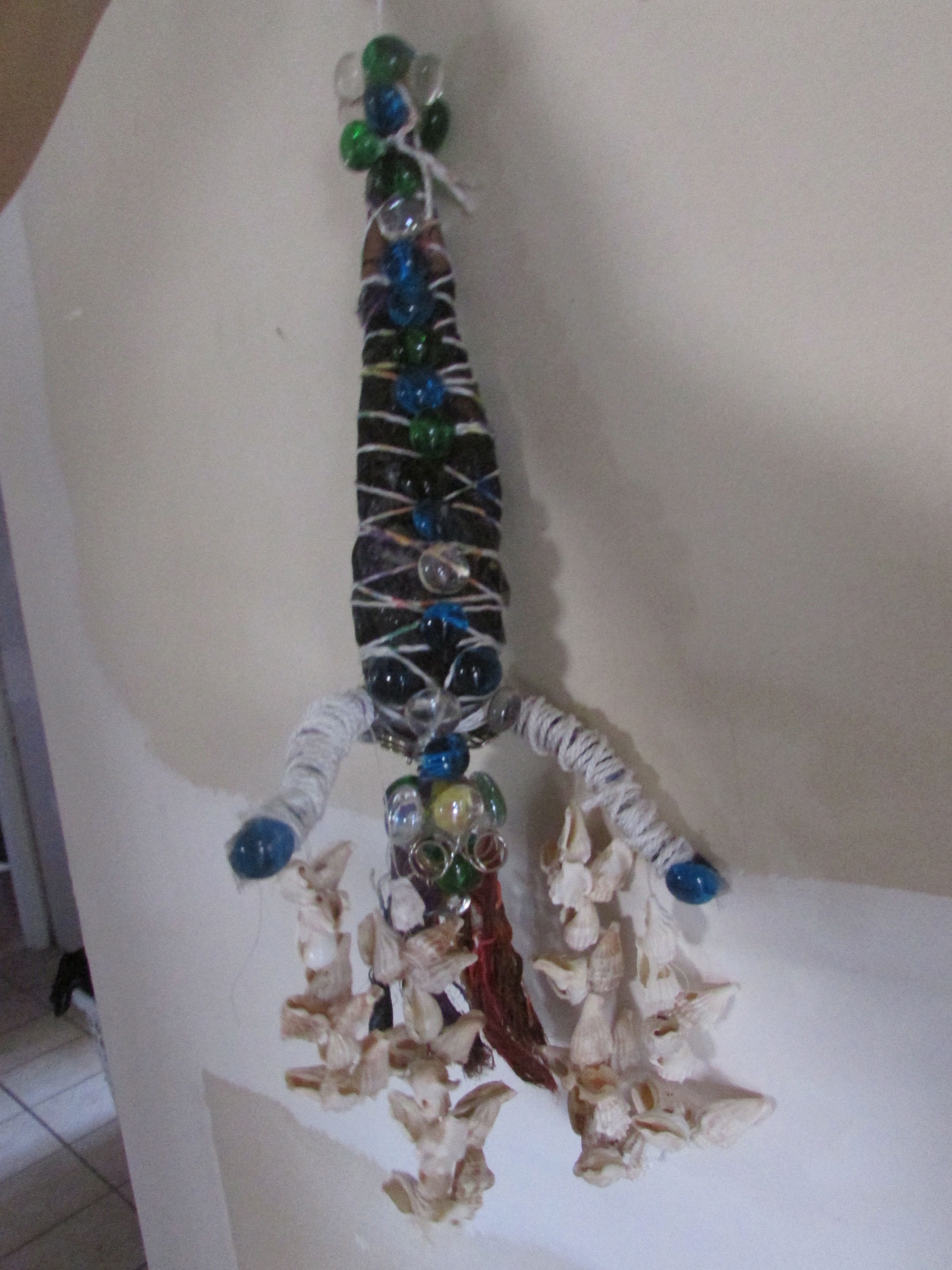
The Idyllian Summoning Fetish

And now, for a slightly creepy interlude.

Following instructions, I turned out two slightly unnerving projects. Above, the Idyllian Summoning Fetish, exercise 24. This was another one that required me to go buy junk at Goodwill: take a doll or action figure and modify it until it’s unrecognizable as the thing it started out as. This thing used to be a Barbie doll. My husband, whose response to 99% of my art is, “Ooh, pretty,” took one look at it and said, “That’s kind of terrifying.” So, good, an emotional response. I’m thinking of sending this thing to Nick Bantock. It’s certainly too bizarre to display in my home. The exercise also instructed me to create a descriptive card, as you’d see in a museum; I connected this item back to the country in exercise 7.

Exercise 25, part 1

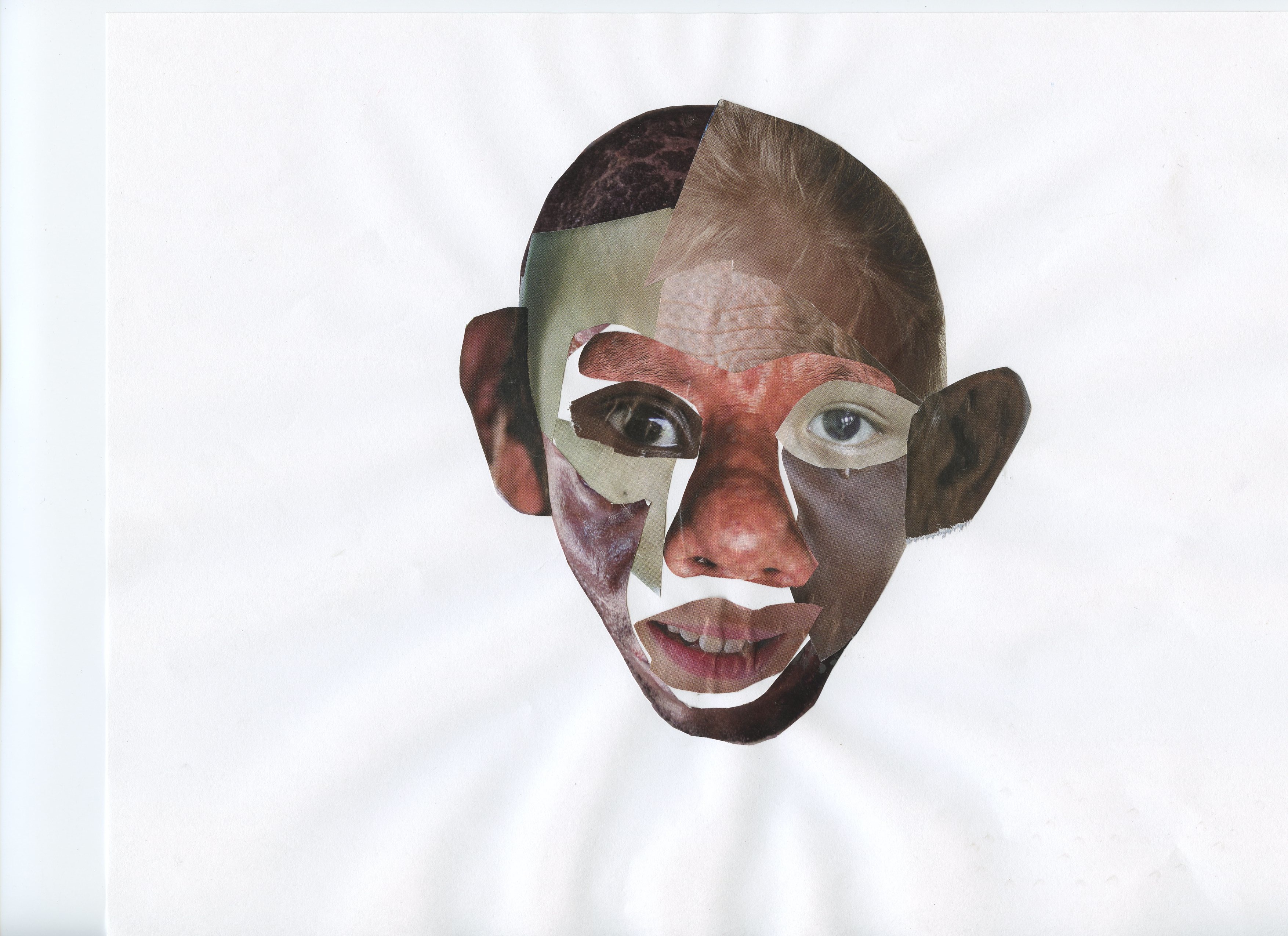
Exercise 25, part 1

The next page in the book also resulted in willful weirdness. For part one, readers are instructed to cut parts of faces out of magazines and reassemble these disparate pieces into a new face. I choose people of different ages, genders, and ethnicities and ended up with a fellow who might have some difficultly getting a date.

The second part was the same, except that the parts couldn’t be from actual faces. So, I have a man whose nose is a hook, whose eyebrows are binders, whose mustache is a forest. Overall, the results are pretty weird, but it does teach something about faces and proportion.

Exercise 25, Part 2

Exercise 25, Part 2

The Trickster’s Hat Part 6

I do hope this image is sufficiently abstract/artistic to avoid suggesting straight up pornography. It's not meant to be erotic; it's meant to describe a dual principle.

I do hope this image is sufficiently abstract/artistic to avoid suggesting straight up pornography. It’s not meant to be erotic; it’s meant to describe a dual principle.

Exercise 20 explored the concept of muse and duende. The term “duende” was new to me; Bantock uses it as a sort of counterpart to the muse. It was supposed to be executed in two pieces, on wood, and I’m kind of sorry I didn’t follow the directions, because I was really pleased with the finished product and the paper was not designed for this kind of paint. It would have looked and held up better on a more suitable canvas.

I followed the spirit of the instructions, if not the letter. I suppose most people would have drawn actual characters, but whichever entity, muse or duende, spoke to me, I was inspired. To highlight the sacred nature of the yoni and the lingam, I adorned the image with stick-on gems.

The Trickster’s Hat Part 5

If you plan to apprentice yourself to Nick Bantock, you’ll need a lot of art supplies. I had most of them already, although I had to go out and purchase different types of paper at various points in the process, along with matte medium. There were a couple exercises that instructed readers to go to thrift stores and buy, essentially, junk, and something in me bristled at this. I was in the process of getting rid of junk and didn’t want to accumulate more.

You're simply much more likely to find unicorns and fairies than dragons and monsters on the knickknack shelf at Goodwill.

You’re simply much more likely to find unicorns and fairies than dragons and monsters on the knickknack shelf at Goodwill.

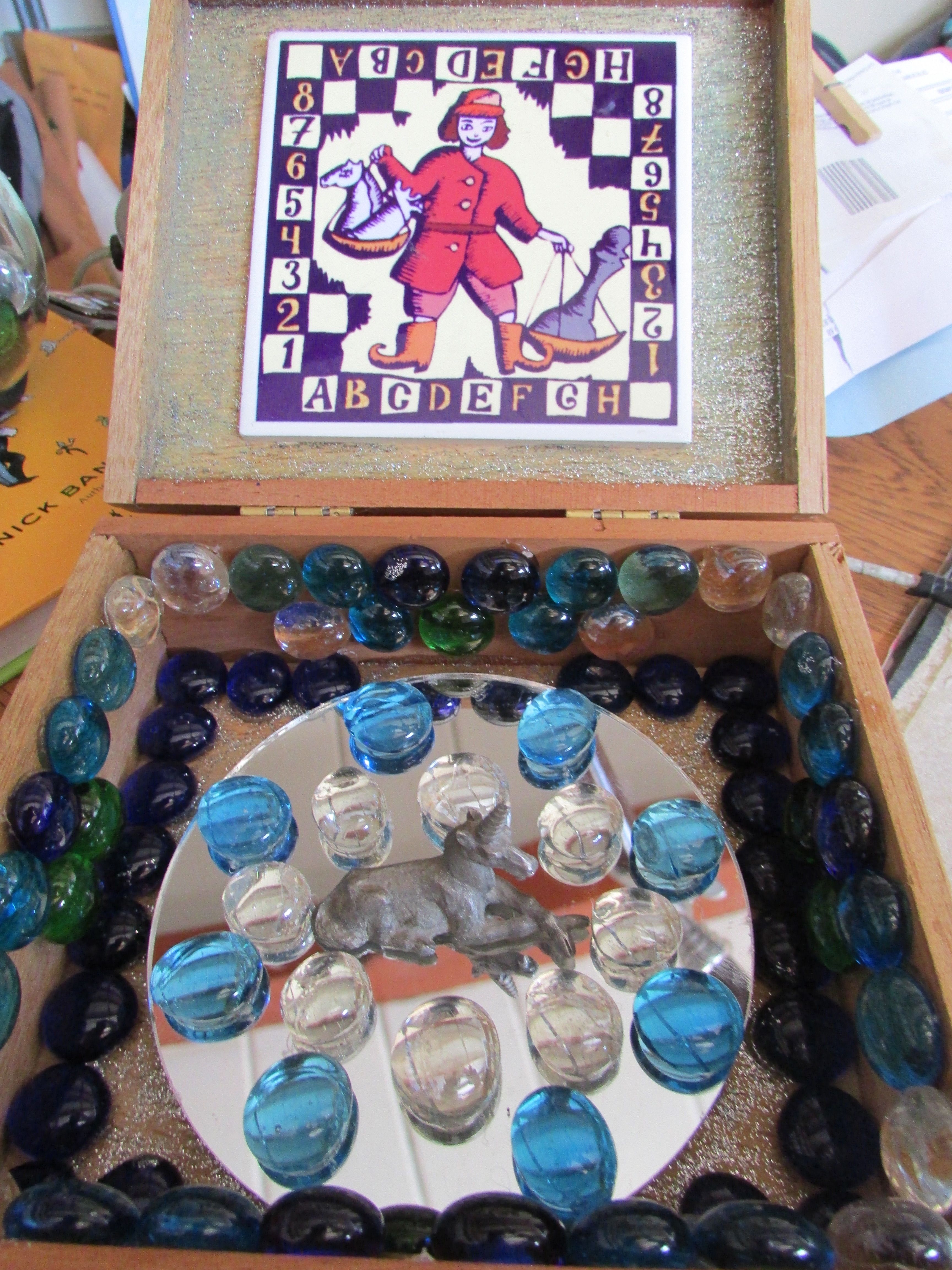
Still, I had intended to do every exercise, so I relented, and I’m pleased and amused with this one. Exercise 10 asked readers to find a cheap item that represented themselves (Bantock’s was a taxidermied skunk that had sat so long in a window it was bleached white) and mount it in a box with other items that seemed to go along. My diorama is conveniently situation within a cigar box, which I acquired, along with all the trimmings, at Goodwill.

box of me 2

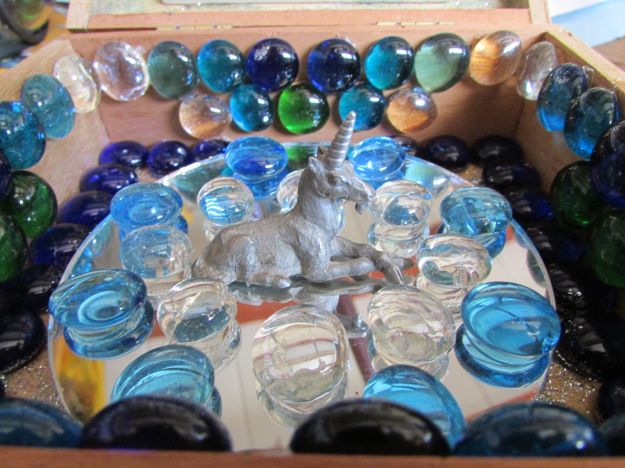
For the purposes of this exercise, I am a pewter unicorn, sitting upon a mirror, surrounded by colored glass, mounted inside a wooden cigar box, with a playful tile roof. The unicorn is chill and so am I. 

The Trickster’s Hat Part 4

Postcard from the Idyllia Public Library

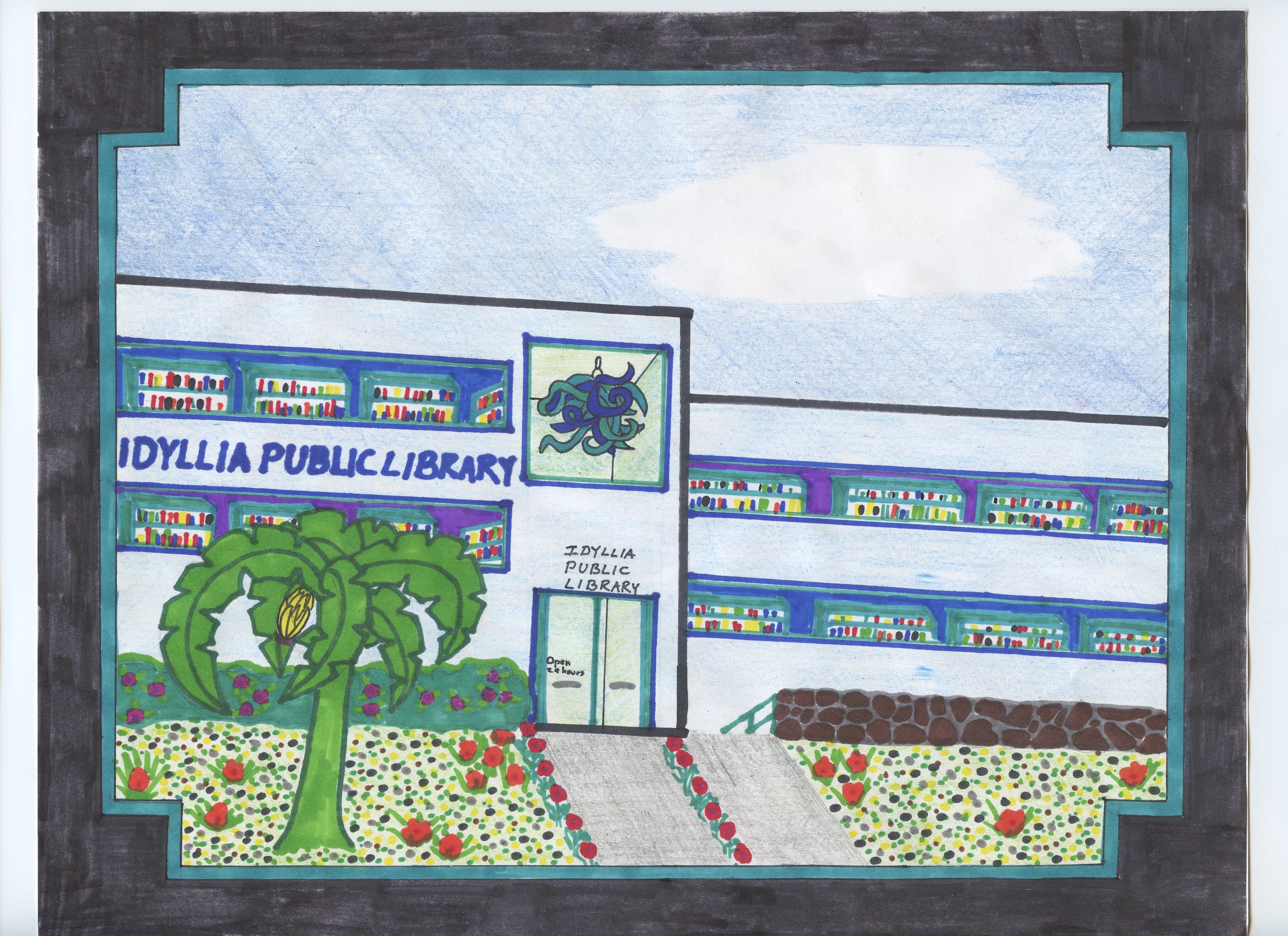
Postcard from the Idyllia Public Library. Yes, this imaginary library in an imaginary country houses a lovely Chilhuly chandelier. The building itself is based on the architecture of the dorm I live in all four years of college.

Exercise 7, to create a country, was among my favorite prompts in this book. A rather involved set of instruction suggested details to imagine about the place, and, as I have created many, many imaginary countries in my life, it was easy to build something huge and fanciful and fulfilling. It was possible to flex all the creative muscles in a serious fashion but to withhold judgement, giving reign to creativity.

postcard edited

Postcard home: I blanked out my parents’ address, because you know there are some weirdos on the Internet.

The second part of the exercise involved creating a postcard from the imaginary country, writing a message home on the back about a vacation in the imaginary country, and then adding a stamp from the imaginary country. I drew the postcard 8.5 x 11 and made that stamp proportionally larger just because it’s easier to work in that format. I used two kinds of markers: Crayolas and Sharpies. Some of the themes from this exercise echoed in later works.

Especially proud of this stamp. The economy of Idyllia is based on semi-precious stones. It is a island founded by dragons and covered with banana trees. I am the queen.

Especially proud of this stamp. The economy of Idyllia is based on semi-precious stones. It is a island founded by dragons and covered with banana trees. I am the queen.


The Trickster’s Hat Part 3

If you’re familiar with Nick Bantock’s work, you know that collage figures prominently. Collages are fun; throughout my life, I’ve often created them, not with the intention of producing a work of great art. They offer a method of self-expression, but they’ve never seemed to require any great amount of creativity.

Exercise 4, Part 1: early childhood. I was a bit of an alien.

Exercise 4, Part 1: early childhood. I was a bit of an alien.

Exercise 4 began with 3 cardboard squares and asked for an autobiographical triptych, complicated by the restriction that the images must all be black and white. In fact, in the 21st century, black and white printing isn’t terribly common. Color printing is so very cheap, and so much more eye catching. Even newspapers are printed in color, but I didn’t have much in the way of newspaper either, since it’s the 21st century.

Screen Shot 2014-06-09 at 12.07.00 AM

Exercise 4, Part 2: Adolescence. Dark and confusing, morbid and upside down, with moments of hope.

For the most part, the materials I had on hand were old National Geographic and Smithsonian magazines. I found a few usable images in the local free entertainment paper, The Tucson Weekly, and one or two bits in my husband’s trade magazines. Toward the end, as the squares began to fill up, I utterly ran out of useful black and white images and finished with a couple things printed in black on colored paper: the invitation to an annual volunteer breakfast I never attend, the map to the Arizona Renaissance Festival, the thank you notes we had custom printed for the wedding.

Screen Shot 2014-06-09 at 12.07.56 AM

Exercise 4, Part 3: The Present. My life is basically awesome. I am older and wiser, with a supportive life partner and plenty of experience. I know who I am.

I was pleased with the final product. These panels do represent my life, even if I don’t feel that collages require much talent or effort. Talking about these images is complicated, though; they’re very personal and meaningful, even with the limits set on the exercise. But collages are easy. I still wanted to learn to draw better.

The Trickster’s Hat Part 2

As soon as the library sent me the reserve notice for The Trickster’s Hat, I was eager to jump in. Some of the exercises involved writing or other forms of expression, but the majority of them were visual, and I needed no encouragement. It was just what I wanted.

Exercise 1: Draw a box with 4 sides, and, in 5 minutes, fill it with as many animals as possible in the box. Then, draw a box with 3 sides, and in 5 minutes, draw as many animals as possible escaping the box.

Exercise 1: Draw a box with 4 sides, and, in 5 minutes, fill it with as many animals as possible in the box. Then, draw a box with 3 sides, and in 5 minutes, draw as many animals as possible escaping the box.

I didn’t love every exercise. Some of them were boring to me. Some of them seemed pointless. Some of them appeared geared to people with even less self-confidence in their creative ability than I had. But I did love a lot of them. Sometimes the ones I didn’t understand at first, or struggled with, or thought stupid, resulted in finished projects I could display with pride.

Exercise 3: Amass a quantity of postage stamps. Rip them up (no scissors) and create a small landscape without using any of the stamps' design elements as the thing they represent.

Exercise 3: Amass a quantity of postage stamps. Rip them up (no scissors) and create a small landscape without using any of the stamps’ design elements as the thing they represent.

Almost instantly, I was able to focus on creating, setting aside a big block of time every night, looking forward to that time and curious about the next exercise in the book.


The Trickster’s Hat Part 1

The Alphabet of Desire was the hardest project I ever undertook. I’m not a magician, except in the sense of being an artist, and I found that the project asked a lot of me.

Some lettering work done for inspiration in the early days of the Alphabet of Desire. The font is based on Lucinda Black Letter.

Some lettering work done for inspiration in the early days of the Alphabet of Desire. The font is based on Lucinda Black Letter.

I was unable to generate momentum, for instance, until I had organized all my books (over two thousand) into Library of Congress organization. Whenever I gained a little traction, something (for example, my wedding) slowed me down.

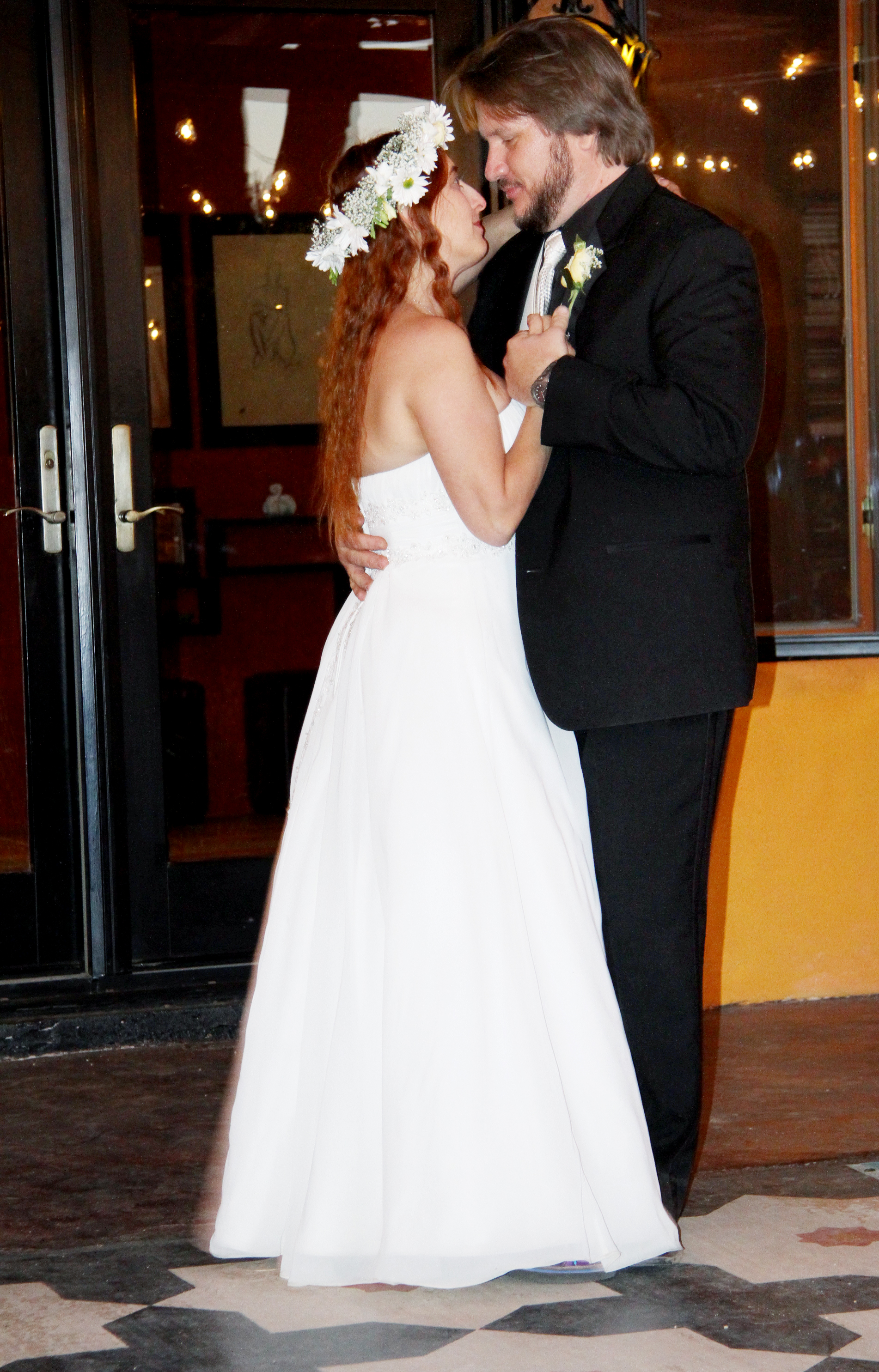
I got married.

I got married.

I simply was not as good an artist as I wished.

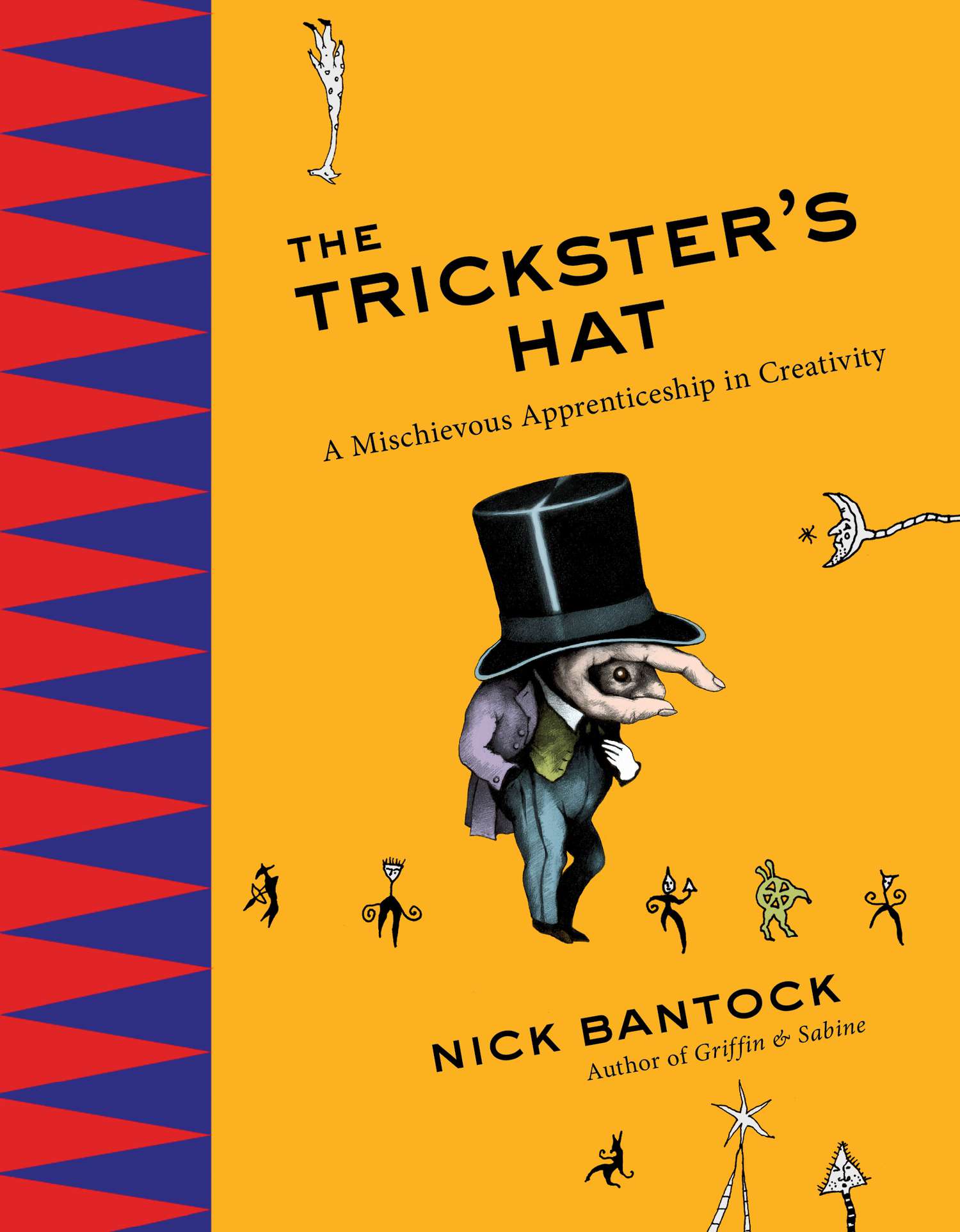
After reading an advanced review of Nick Bantock’s The Trickster’s Hat: A Mischievous Apprenticeship in Creativity, I wondered if a book could kick start my creative drive,  help me immerse myself in art, and establish the foundations of regular creative work. The book hadn’t actually been published yet, but my local library system bought it for me as soon as it came out.

tricksters-hat-9780399165023b