Tag Archives: art

The Trickster’s Hat Part 3

If you’re familiar with Nick Bantock’s work, you know that collage figures prominently. Collages are fun; throughout my life, I’ve often created them, not with the intention of producing a work of great art. They offer a method of self-expression, but they’ve never seemed to require any great amount of creativity.

Exercise 4, Part 1: early childhood. I was a bit of an alien.

Exercise 4, Part 1: early childhood. I was a bit of an alien.

Exercise 4 began with 3 cardboard squares and asked for an autobiographical triptych, complicated by the restriction that the images must all be black and white. In fact, in the 21st century, black and white printing isn’t terribly common. Color printing is so very cheap, and so much more eye catching. Even newspapers are printed in color, but I didn’t have much in the way of newspaper either, since it’s the 21st century.

Screen Shot 2014-06-09 at 12.07.00 AM

Exercise 4, Part 2: Adolescence. Dark and confusing, morbid and upside down, with moments of hope.

For the most part, the materials I had on hand were old National Geographic and Smithsonian magazines. I found a few usable images in the local free entertainment paper, The Tucson Weekly, and one or two bits in my husband’s trade magazines. Toward the end, as the squares began to fill up, I utterly ran out of useful black and white images and finished with a couple things printed in black on colored paper: the invitation to an annual volunteer breakfast I never attend, the map to the Arizona Renaissance Festival, the thank you notes we had custom printed for the wedding.

Screen Shot 2014-06-09 at 12.07.56 AM

Exercise 4, Part 3: The Present. My life is basically awesome. I am older and wiser, with a supportive life partner and plenty of experience. I know who I am.

I was pleased with the final product. These panels do represent my life, even if I don’t feel that collages require much talent or effort. Talking about these images is complicated, though; they’re very personal and meaningful, even with the limits set on the exercise. But collages are easy. I still wanted to learn to draw better.

The Trickster’s Hat Part 2

As soon as the library sent me the reserve notice for The Trickster’s Hat, I was eager to jump in. Some of the exercises involved writing or other forms of expression, but the majority of them were visual, and I needed no encouragement. It was just what I wanted.

Exercise 1: Draw a box with 4 sides, and, in 5 minutes, fill it with as many animals as possible in the box. Then, draw a box with 3 sides, and in 5 minutes, draw as many animals as possible escaping the box.

Exercise 1: Draw a box with 4 sides, and, in 5 minutes, fill it with as many animals as possible in the box. Then, draw a box with 3 sides, and in 5 minutes, draw as many animals as possible escaping the box.

I didn’t love every exercise. Some of them were boring to me. Some of them seemed pointless. Some of them appeared geared to people with even less self-confidence in their creative ability than I had. But I did love a lot of them. Sometimes the ones I didn’t understand at first, or struggled with, or thought stupid, resulted in finished projects I could display with pride.

Exercise 3: Amass a quantity of postage stamps. Rip them up (no scissors) and create a small landscape without using any of the stamps' design elements as the thing they represent.

Exercise 3: Amass a quantity of postage stamps. Rip them up (no scissors) and create a small landscape without using any of the stamps’ design elements as the thing they represent.

Almost instantly, I was able to focus on creating, setting aside a big block of time every night, looking forward to that time and curious about the next exercise in the book.


The Trickster’s Hat Part 1

The Alphabet of Desire was the hardest project I ever undertook. I’m not a magician, except in the sense of being an artist, and I found that the project asked a lot of me.

Some lettering work done for inspiration in the early days of the Alphabet of Desire. The font is based on Lucinda Black Letter.

Some lettering work done for inspiration in the early days of the Alphabet of Desire. The font is based on Lucinda Black Letter.

I was unable to generate momentum, for instance, until I had organized all my books (over two thousand) into Library of Congress organization. Whenever I gained a little traction, something (for example, my wedding) slowed me down.

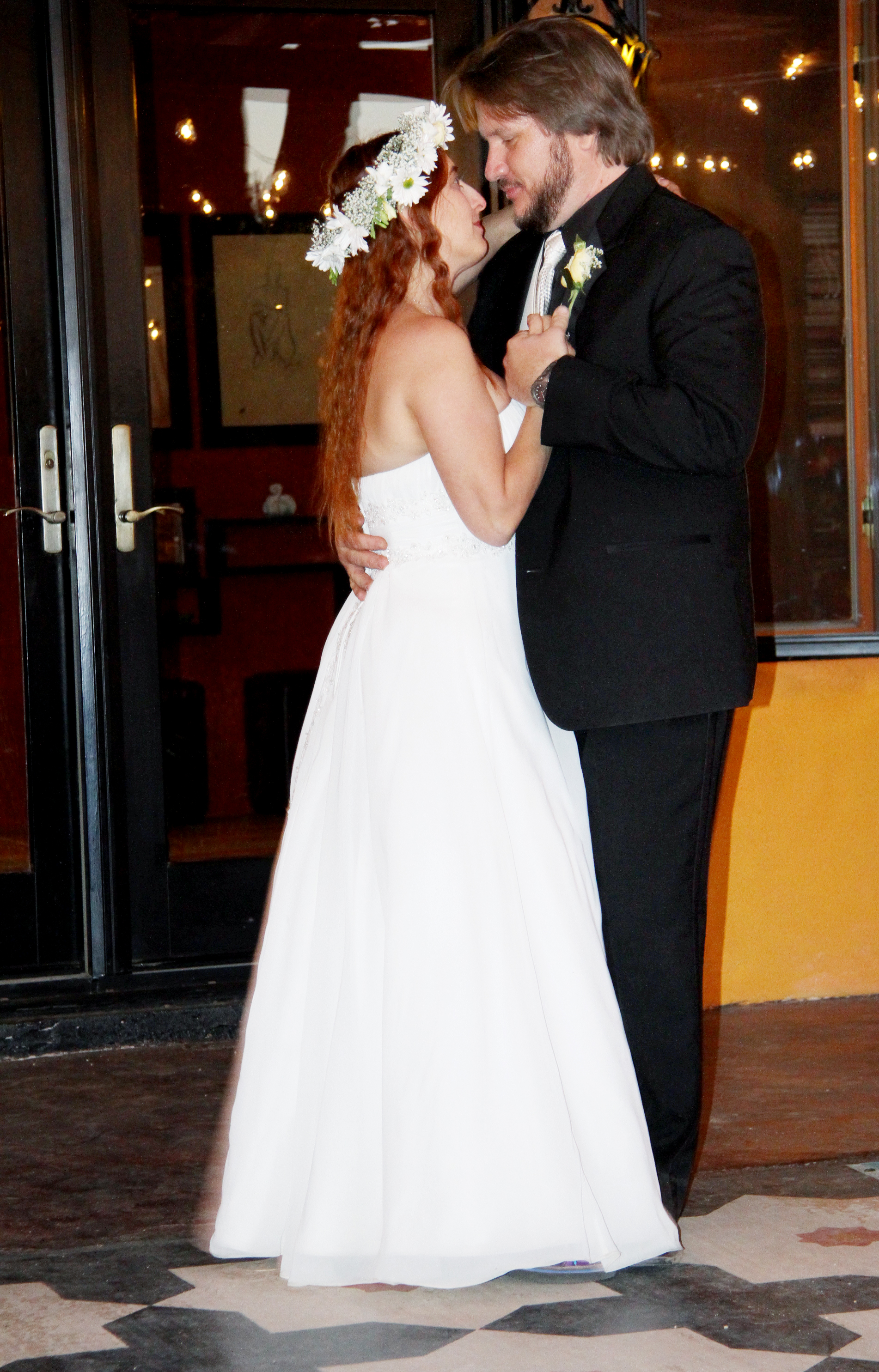
I got married.

I got married.

I simply was not as good an artist as I wished.

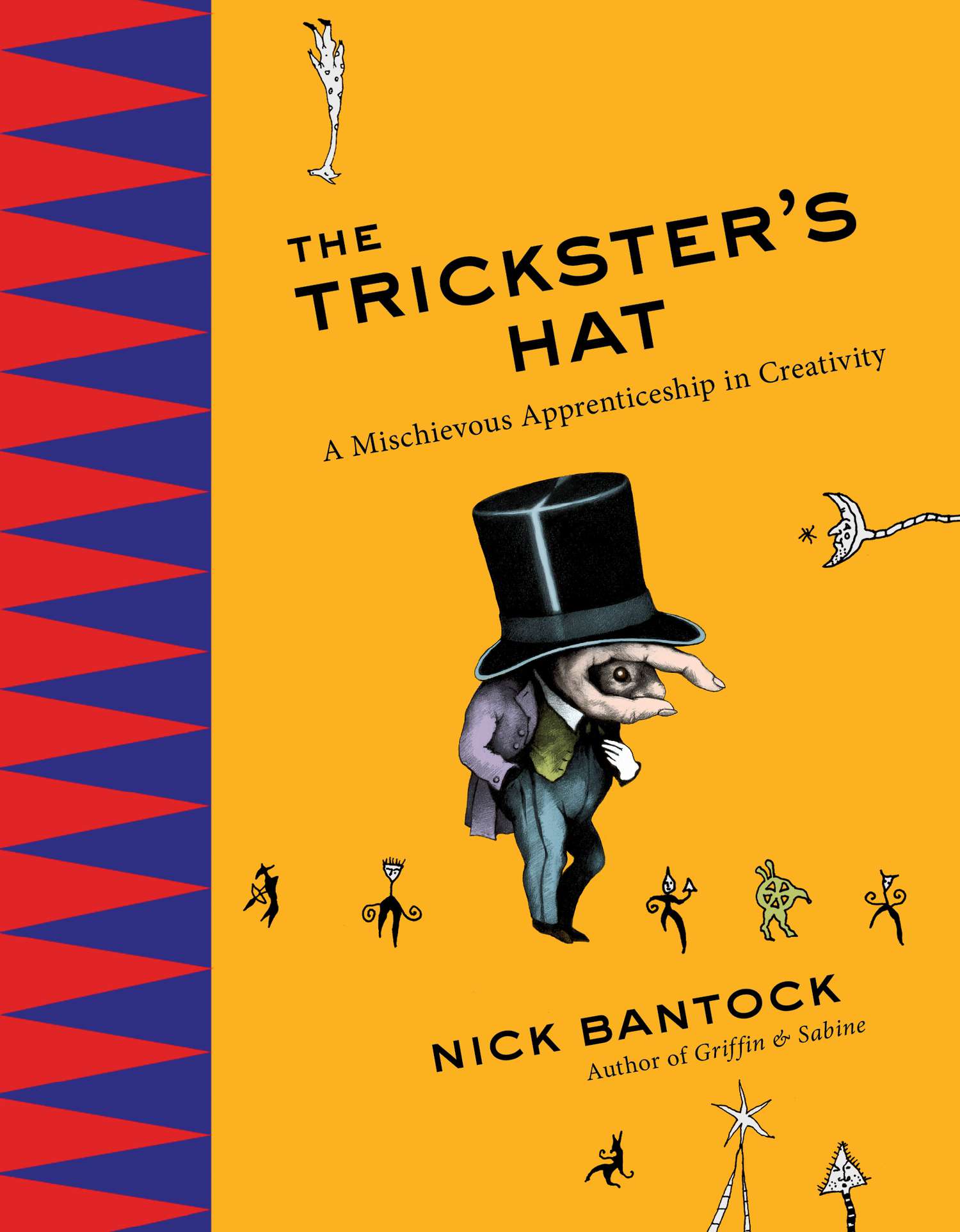
After reading an advanced review of Nick Bantock’s The Trickster’s Hat: A Mischievous Apprenticeship in Creativity, I wondered if a book could kick start my creative drive,  help me immerse myself in art, and establish the foundations of regular creative work. The book hadn’t actually been published yet, but my local library system bought it for me as soon as it came out.

tricksters-hat-9780399165023b


Alphabet of Desire Part 2

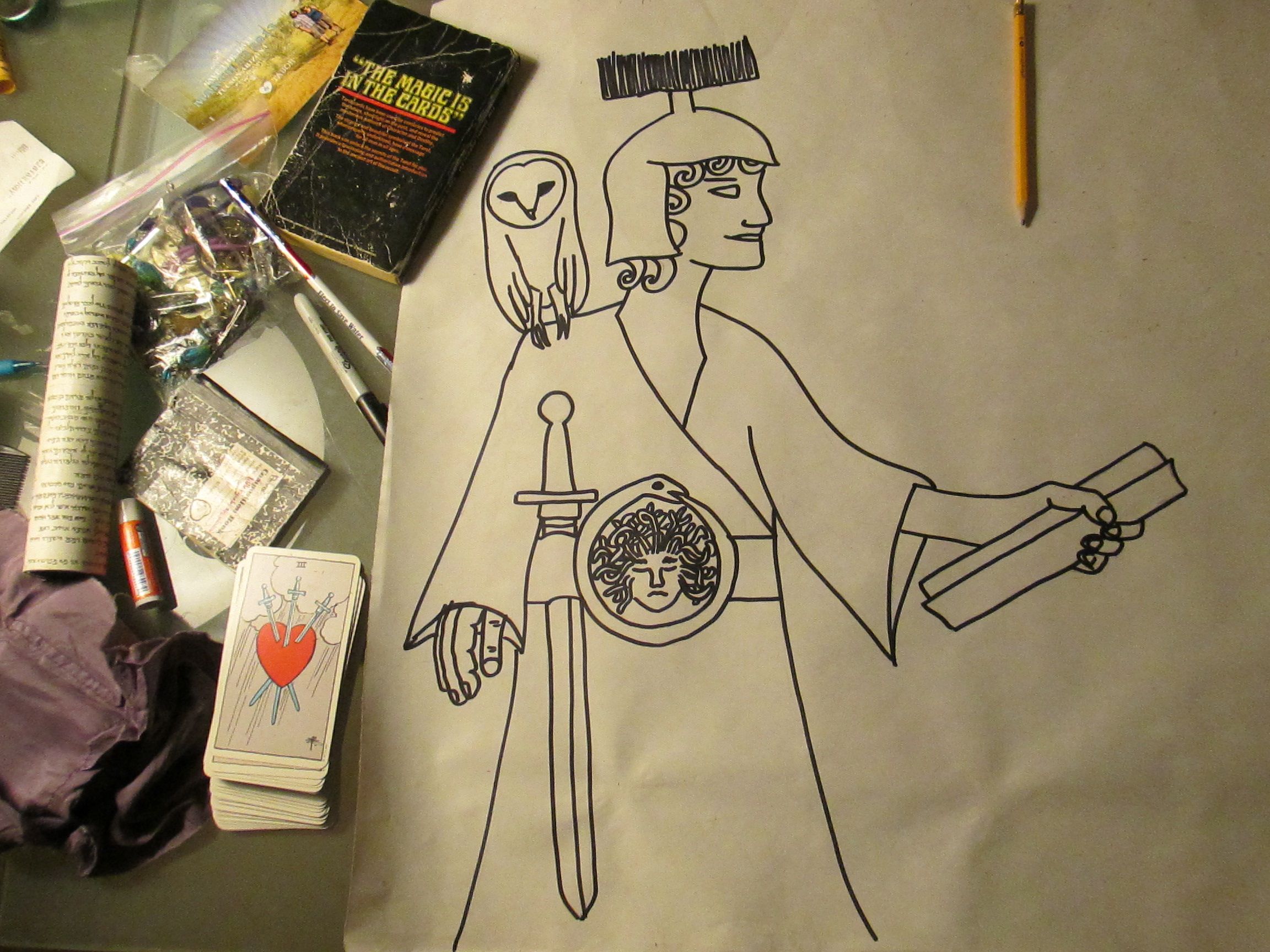
Athena, goddess of wisdom, offers the Scroll of Wisdom. She bears the head of Medusa, encircled by the ouroboros, on her girdle, and carries the sword of the Tarot, which is a symbolic tool for cutting through illusion to reveal truth.

Athena, goddess of wisdom, offers the Scroll of Wisdom. She bears the head of Medusa, encircled by the ouroboros, on her girdle, and carries the sword of the Tarot, which is a symbolic tool for cutting through illusion to reveal truth.

The idea of alphabets in general has always fascinated me, long before I ever even hear the term “font.” I read calligraphy books in grade school and often wrote out fancy alphabets as a centering technique. I liked the idea of decorative caps, and wanted to write an acrostic story with twenty-six chapters, which I would illuminate with twenty-six initial letters.

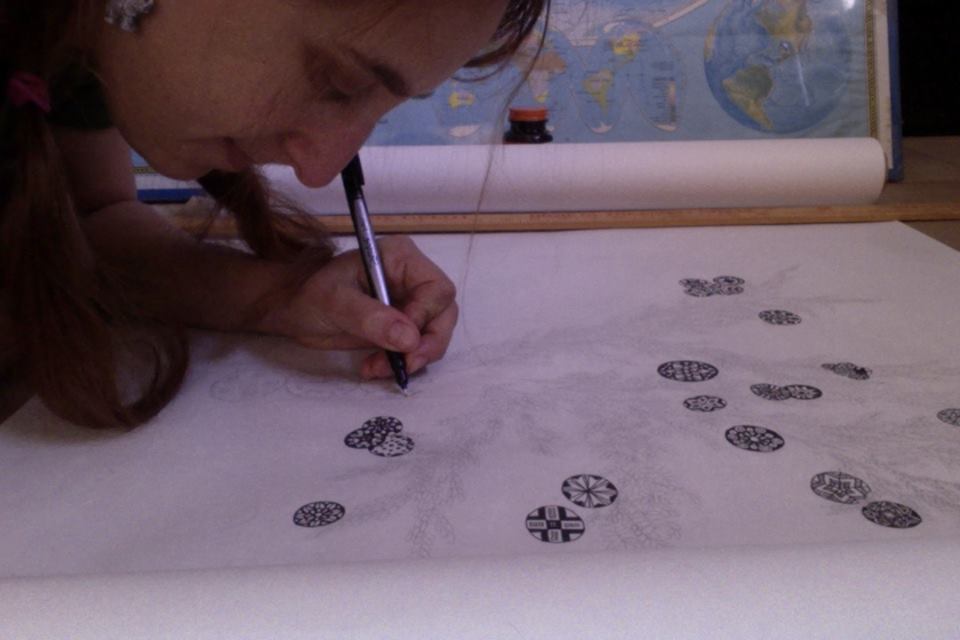
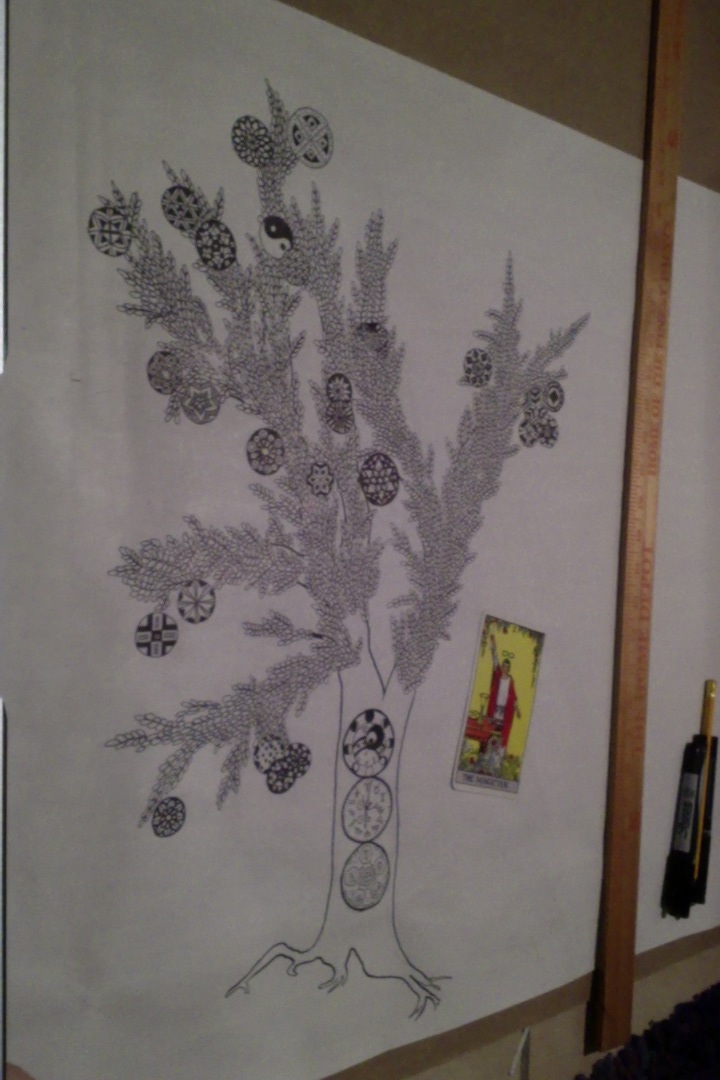
Inking the illustration for chapter C: the magical rowan tree. Mandalas feature prominently in the scroll.

Inking the illustration for chapter C: the magical rowan tree. Mandalas feature prominently in the scroll.

Illustrating the Scroll of Wisdom was a new challenge for me. Graphic storytelling had become fascinating to me in recent years, but my ability to draw in a regimented way, maintaining a consistent style and moving a character through a magical landscape, seemed overwhelming. However, the mission seemed clear. After spontaneously drawing Pallas Athene on a sheet of butcher paper, I realized that, rather then cutting her free from the roll, I should utilize this old method creating a text and simply let one drawing follow the next on a continuous sheet of paper.

rowan tree

The completed tree

The story gradually revealed itself: a journey from initiation to mastery. The magician’s journey. The journey of the will. We’ll get back to this in a little while….

Mandalas Are Magic Part 3

This whimsical punk mandala was inspired by a visit to the Hot Topic store at the mall

This whimsical punk mandala was inspired by a visit to the Hot Topic store at the mall

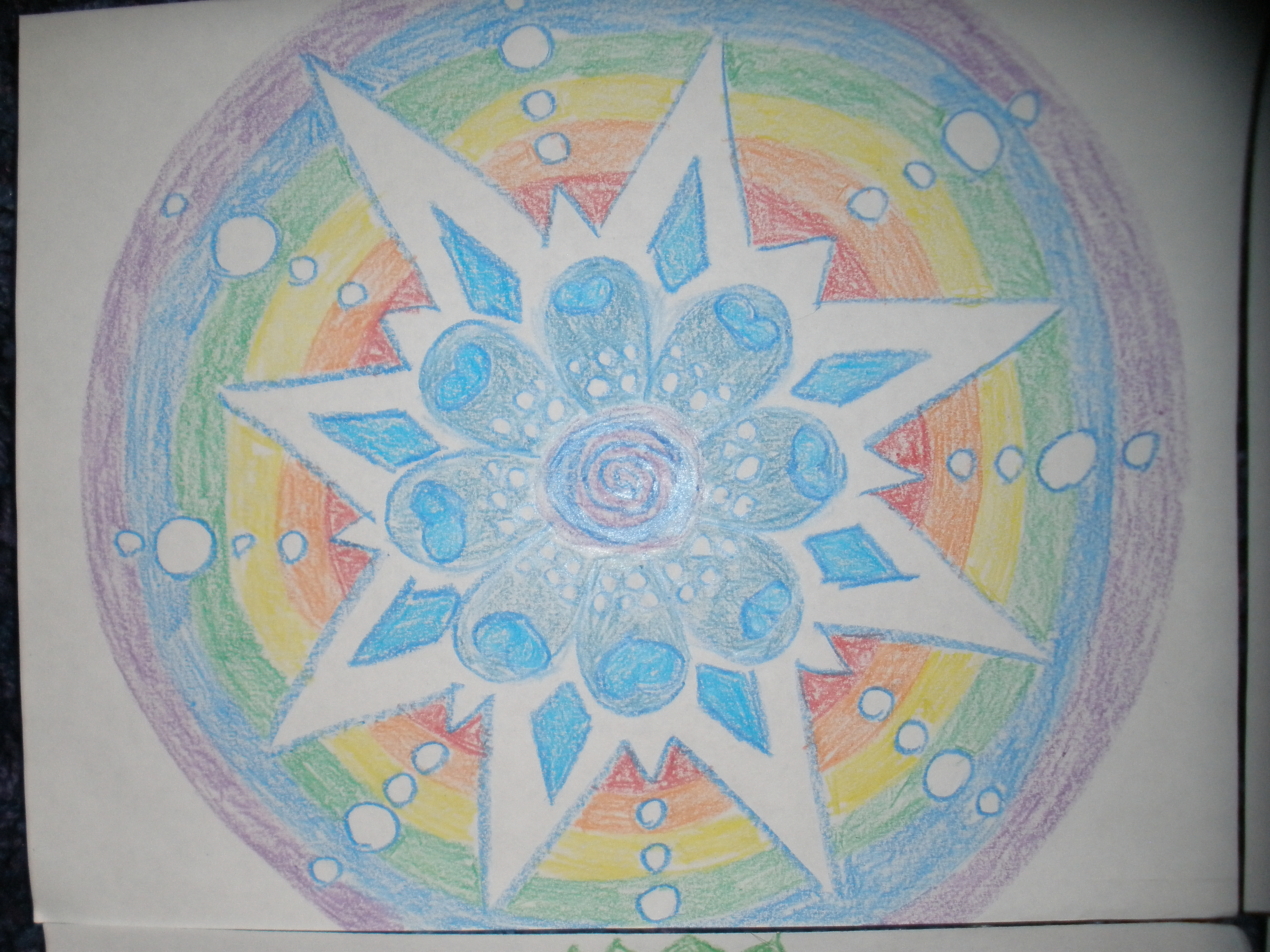
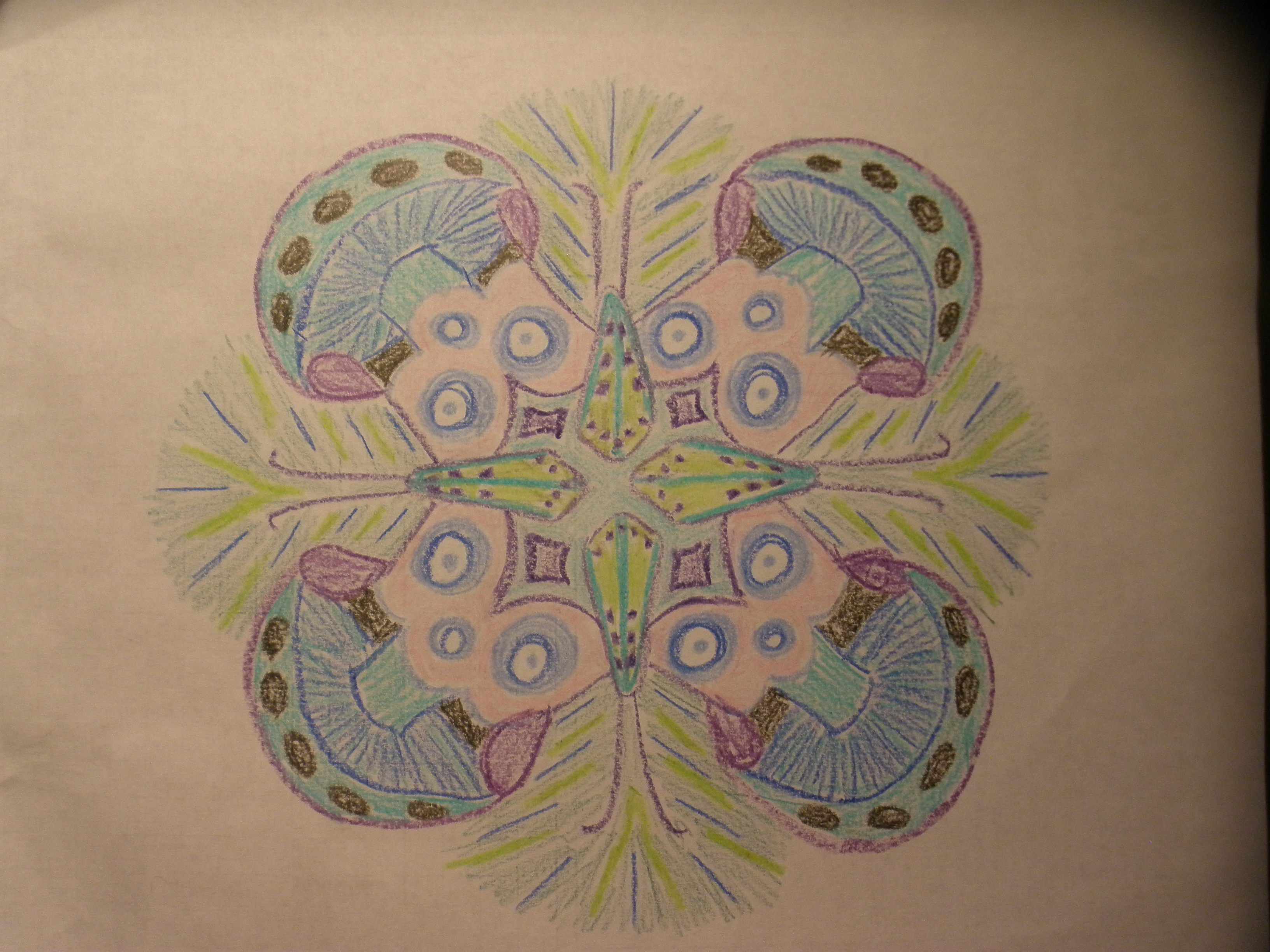
One thing I don’t worry about when I draw mandalas is perfection. Another think I don’t worry too much about is symmetry. My soul is clearly not perfect. And it is clearly not symmetrical, so why would my mandalas conform to that pattern?

A mandala inspired by satellites

A mandala inspired by satellites

Most of the mandalas in the collection are abstract, but some of my favorite ones are representative. Often, the silly and imperfect ones are the most-eye catching.

Inspired by a burlesque show

Inspired by a burlesque show

I can be serious too. One of the more complicated mandalas represents the emotions I experienced while editing the doctoral thesis of a former friend who refused to talk to me but still seemed to think I was the best copyeditor she knew. She paid me a good rate to work on her long and involved dissertation, but refused to renew our friendship. Another mandala was drawn as my mother-in-law began treatment for breast cancer.

Sometimes, it’s good to be playful about serious things, too.

Most women can probably figure out what serious monthly life event I have amusingly commemorated here.

Most women can probably figure out what serious monthly life event I have amusingly commemorated here.


Mandalas are Magic Part 2

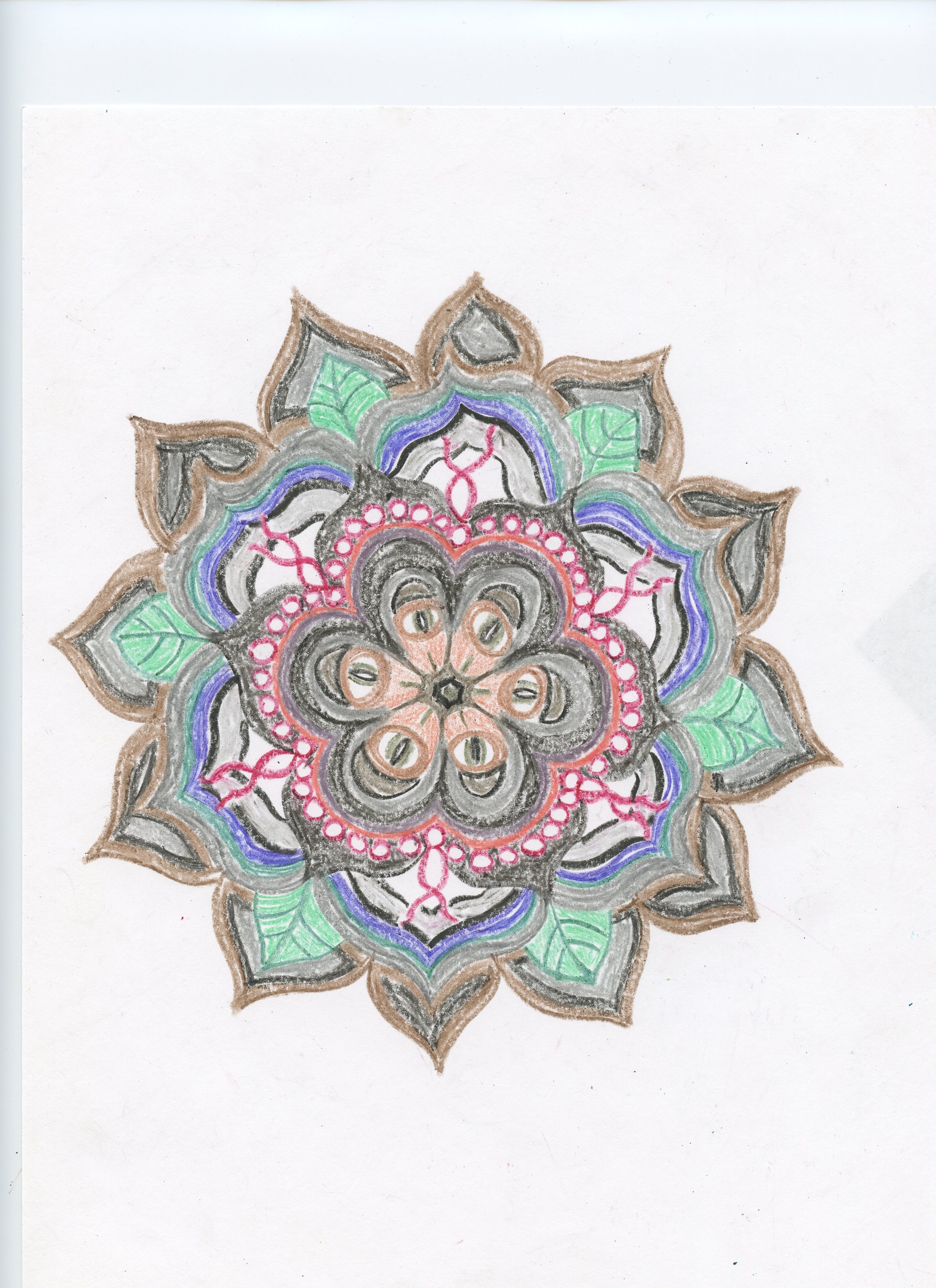
A flower-based mandala

A flower-based mandala

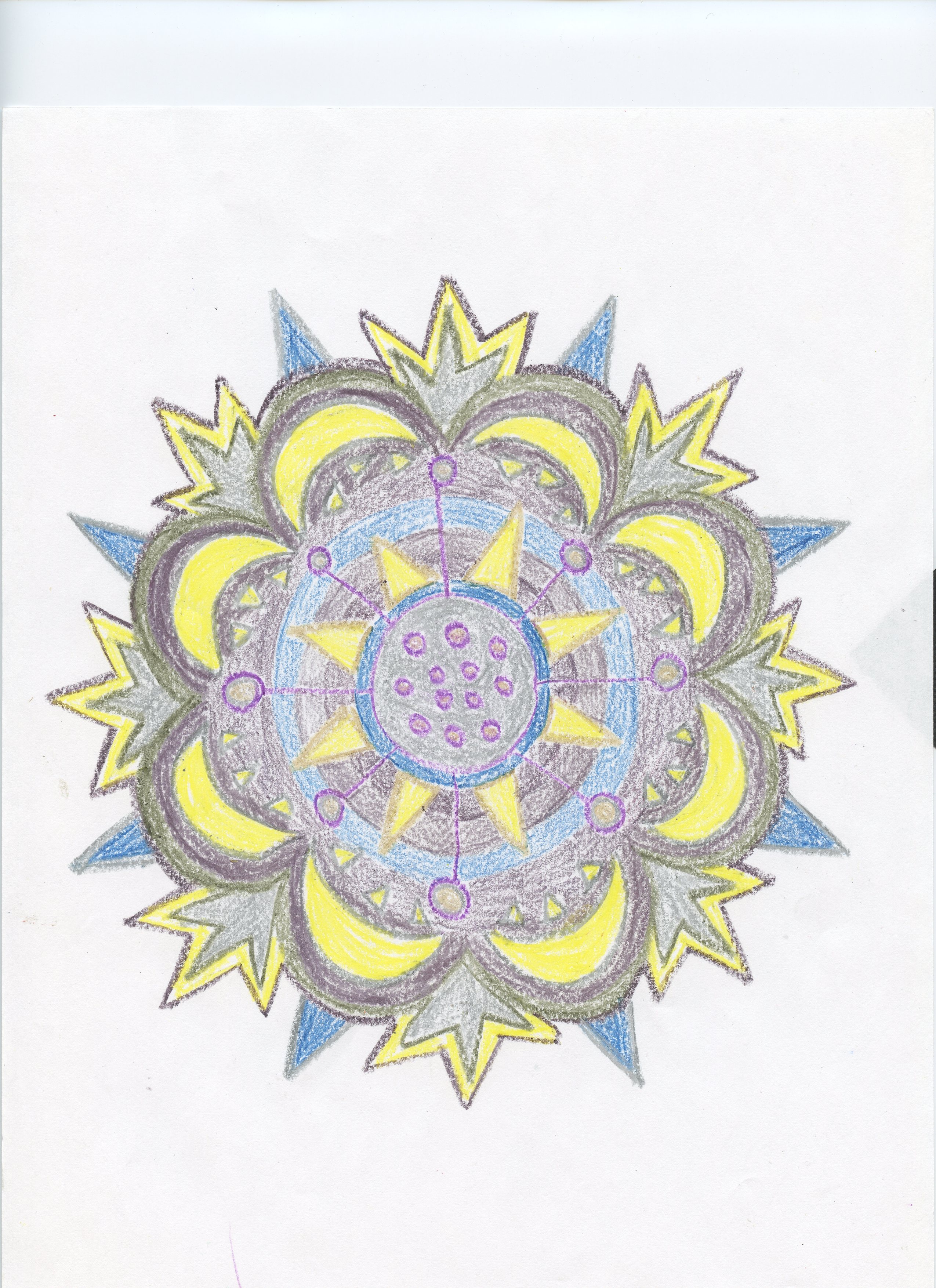
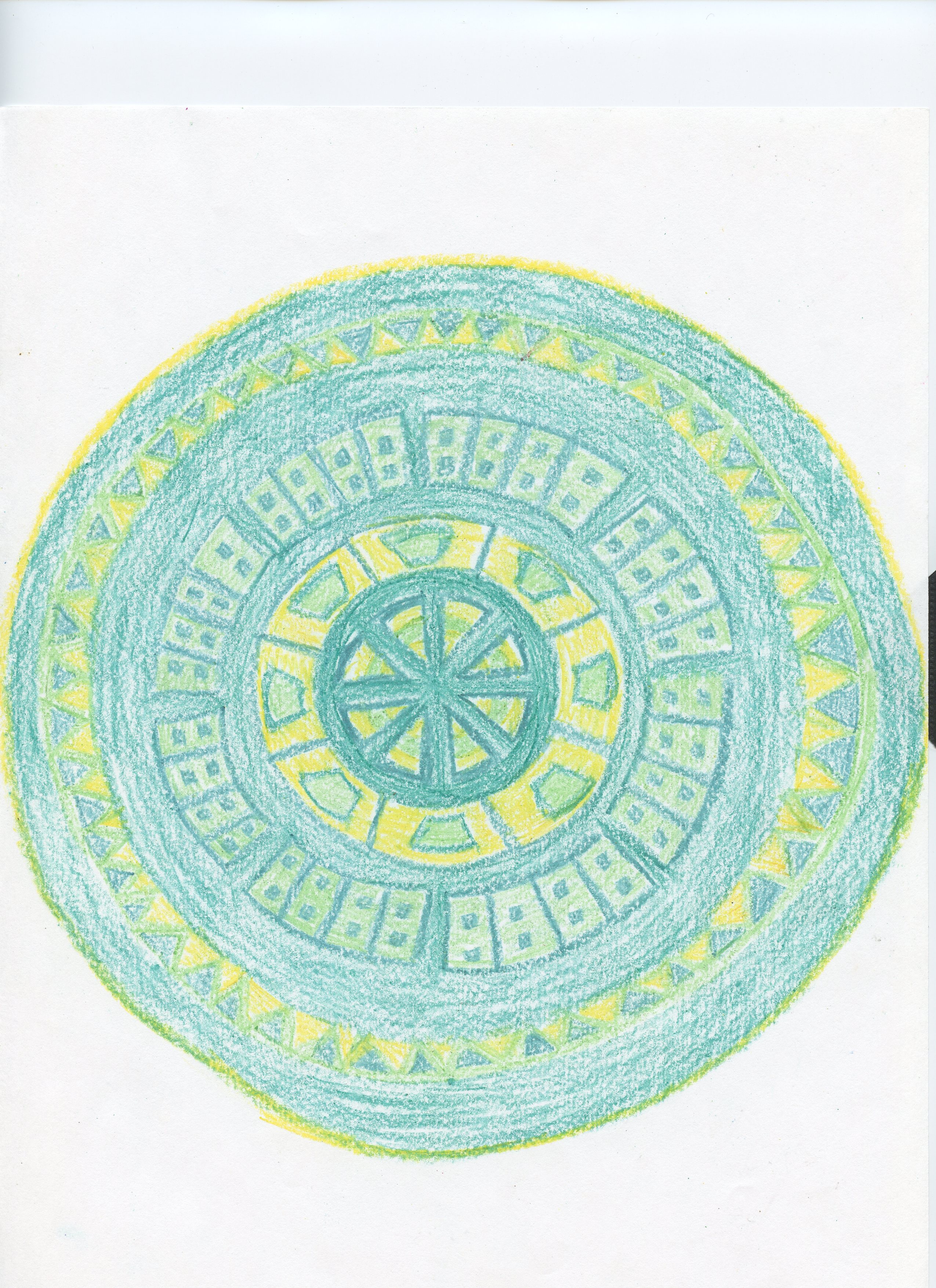
I set out to draw one hundred mandalas to help me find my way as an artist. It took about six months. Part of me thought, “why not one thousand,” but I only got to about one twenty five before other things became more interesting to me. I still draw mandalas sometimes, but it used to be a couple a week.

A mandala inspired by Aztec design

A mandala inspired by Aztec design

Patterns started to appear in the mandalas. Although each was different, there were many based on flowers or other plants, many based on crystals. There were mandalas inspired by holidays and mandalas inspired by tragedies. Comedic ones made my smile, perfectly symmetrical ones made my work a little harder.

Too obvious?

Too obvious?

Mandalas Are Magic Part 1

The first of 100 mandalas

The first of 100 mandalas

After my bulletin boards became a regular part of my life, I began to see how visual art made me feel, and how others responded to it. While it was work, it was enjoyable. While I might not be one hundred percent satisfied with the outcome, viewers derived pleasure from it. One day, on a whim, I purchased the Crayola telescoping tower (one hundred fifty colors!) and drew a mandala, something that had interested me in college, but that I had never made a serious study of.

A caddisfly themed mandala for an entomologist friend

A caddisfly themed mandala for an entomologist friend

Mandalas are sort of spiritual maps, or maps of the artist’s soul, if you like. Drawing fast ones had always given me an idea of where I was, balance and focus-wise, and taking more care in creating them helped me see when to take better care of myself, to add more art into my routine.

A monsoon mandala

A monsoon mandala


When We Were Very Young Part 4

Eraserhead

Eraserhead

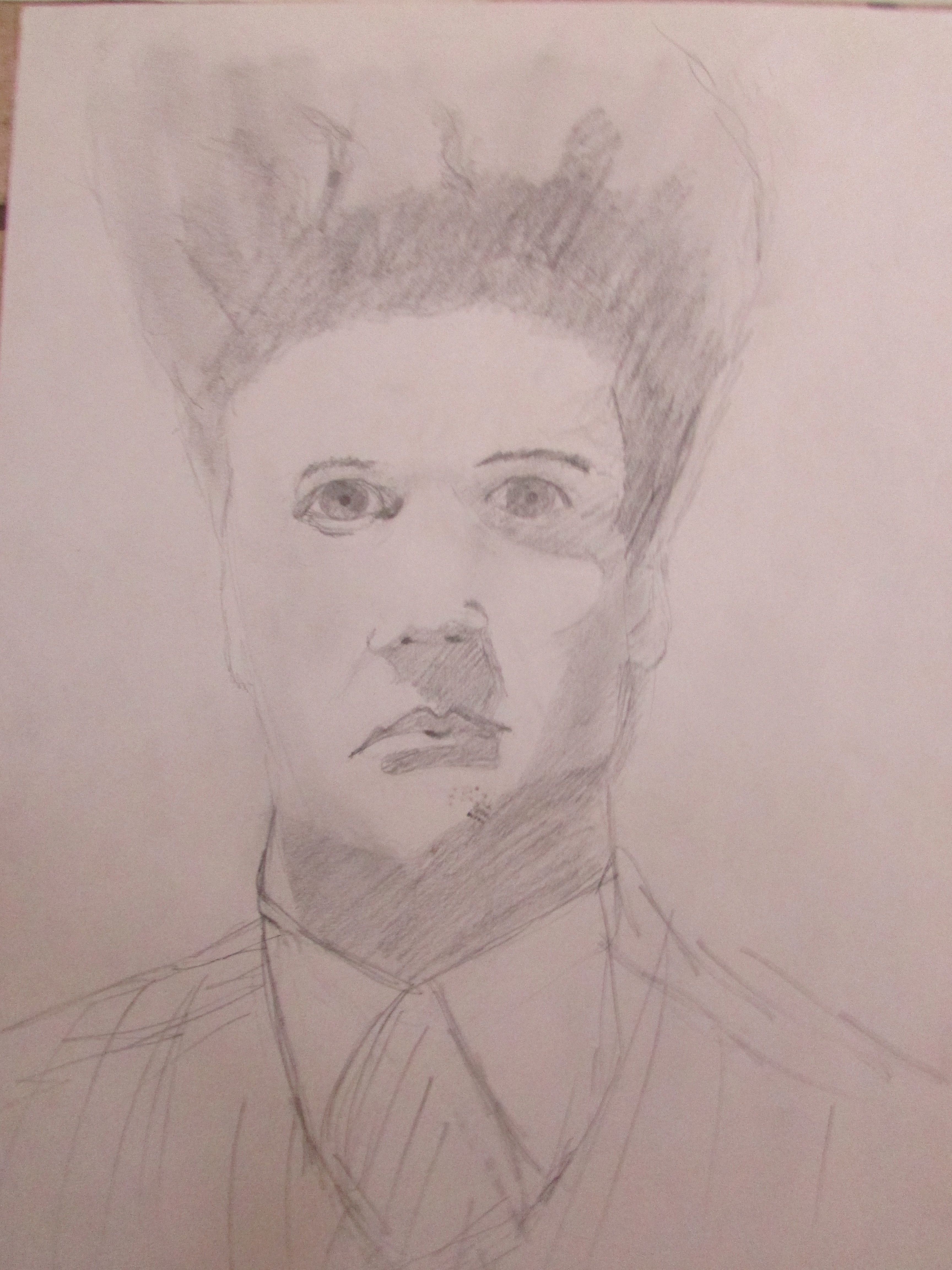
It’s unclear to me why this picture exists, since I didn’t enjoy the film Eraserhead in any way. My boyfriend at the time was a huge David Lynch fan. It’s 1991, most likely.

What I like about this next image is the style, where I worked primarily in chunks of gray, rather than lines. The subject was a guy in the year ahead of us at school, on whom my best friend had a bit of a crush. I only ever talked to him 3 or 4 times, but as the image shows, he was pretty cool for a high school senior.

Quentin Shaw

Quentin Shaw

In college, I did a lot of surreal art, often collaborative, with my then-boyfriend. Our style tended toward psychedelic and depended much more on color than anything I had done up to that point. However, I still sketched from time to time. This image is of that boyfriend, so it’s probably about 1993. At one point, I had an even lovelier nude I had done of him in charcoal, but sometime in the last 5 years, I mailed it to his wife, who seemed a more appropriate owner.

Tyson Knowles

Tyson Knowles


When We Were Very Young Part 2

A western dragon, 1989

A western dragon, 1989

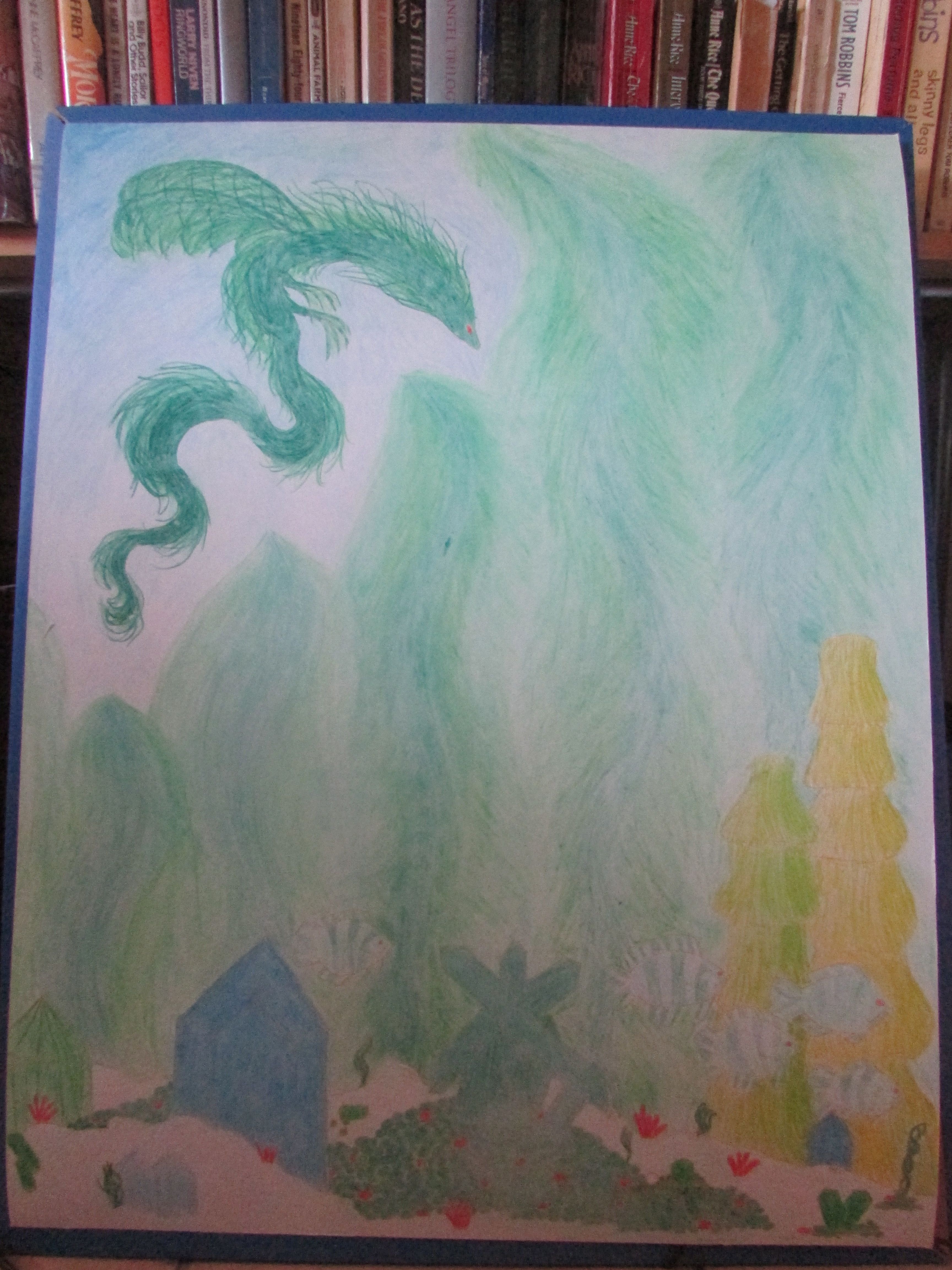
My sophomore year of high school I wanted some dragon posters to hang in my room but simply couldn’t find even one that I loved. I ended up drawing four myself, buying the colored pencils one by one as I required particular colors. This was probably the biggest art project of this period of my life.

A sea serpent, 1989

A sea serpent, 1989

When We Were Very Young Part 1

This is the oldest drawing of mine I can lay hands on; my mother probably has something older. It's dated 1986, so I was 11 and in 6th grade.

This is the oldest drawing of mine I can lay hands on; my mother probably has something older. It’s dated 1986, so I was 11 and in 6th grade.

I spent a lot of time drawing as a kid and, at age seven, declared my intention to be an artist when I grew up. My parents bought me some acrylic paints for my birthday, but warned me that they were expensive and that I shouldn’t waste them, because I wasn’t getting any more. As a result, I painted one picture, was unhappy with the results, and never used those paints again, sticking to crayons and water colors (which my parents also would not replace when I asked; when the blue, green, and purple was gone from my paint box, my mother’s response was, “Paint something red.” In fact, my blue period lasted about thirty years, and my mother never understood why I couldn’t just use the other colors) and later, when I was a teenager and rolling in babysitting money, I began investing in more expensive colored pencils.

Flowers, 1987

Flowers, 1987

Even as a very little kid, verisimilitude in my drawings seemed very important. It was frustrating when what appeared on the page didn’t match the image in mind, but in middle school my sketches finally began to feel a little closer to life.

The Human Heart, 1988, Based on this image, my parents began to encouraging me to seek a career in medical illustration. I was only in 8th grade, but it was already becoming clear that getting me excited about their idea of a professional future was going to be an uphill trek.

The Human Heart, 1988, Based on this image, my parents began to encouraging me to seek a career in medical illustration. I was only in 8th grade, but it was already becoming clear that getting me excited about their idea of a professional future was going to be an uphill trek.